
Queer Sacramentality: The Church of the Beloved Disciple
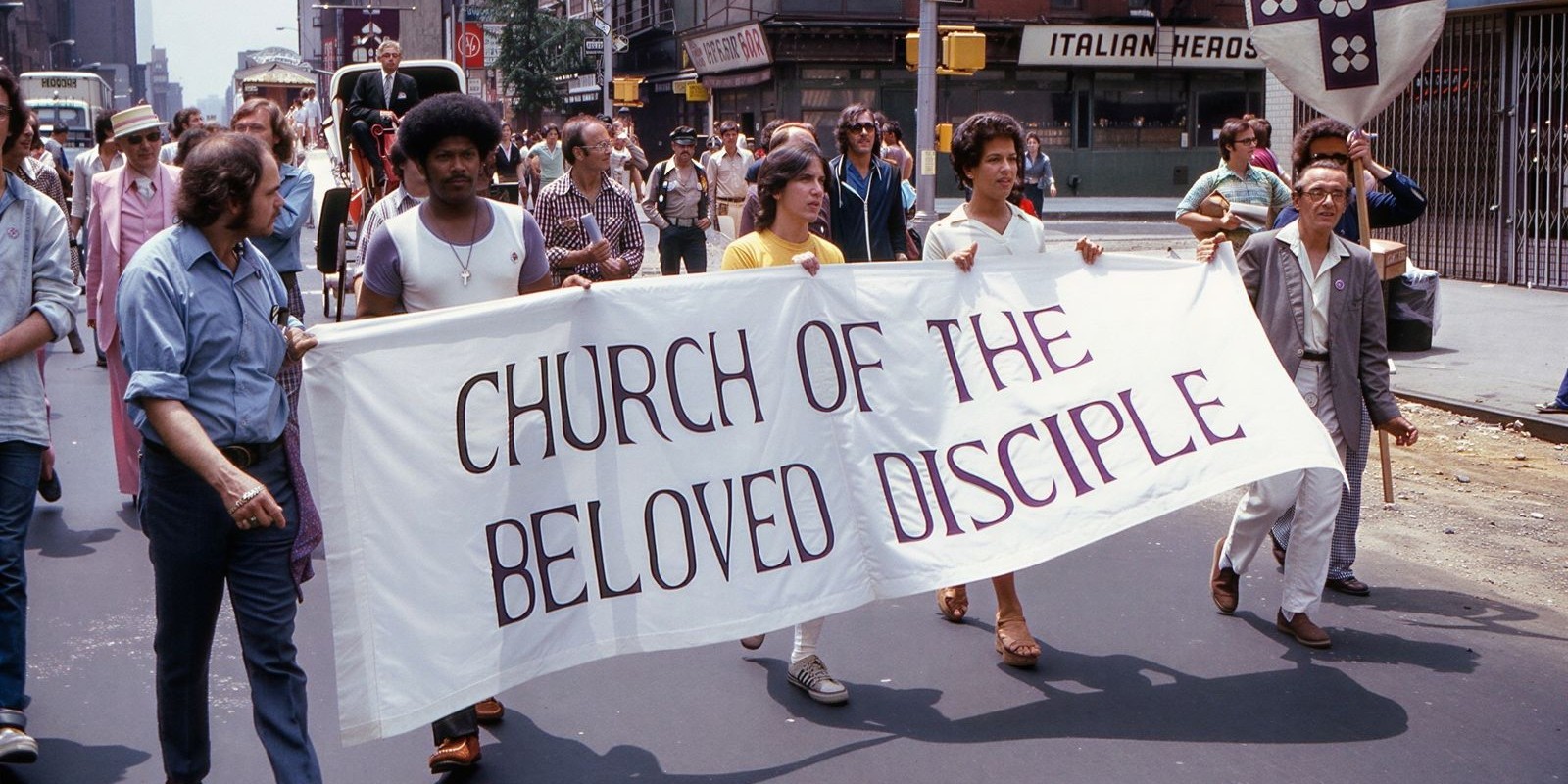
Queer Sacramentality: The Church of the Beloved Disciple
The 1960s were a period of profound social, political, cultural, and spiritual change in the United States. The civil rights movement, the sexual revolution, the rise of gay liberation, and challenges to established institutions transformed the ways Americans understood identity, community, and authority. For LGBTQ Christians, these transformations raised questions that were both personal and communal. Could Christian traditions provide a spiritual home for people whose identities and relationships had been rejected by many churches? Could inherited practices of prayer, worship, and sacrament become sources of spiritual belonging rather than exclusion? And could LGBTQ Christians themselves reshape those traditions to express their experiences of love, community, and the sacred?
The Church of the Beloved Disciple emerged within this creative and unsettled moment. Founded in New York City in 1968 by the Rev. Robert Mary Clement, it became an important urban apostolic and sacramental ministry for the LGBTQ community. Its history, extending through the mid-1980s, is intertwined with the emergence of gay liberation. The relationship was not simply one of religious response to political change. At Beloved Disciple, spiritual and sacramental practices were themselves part of the work through which new forms of queer community, identity, and liberation were created.
This exhibition explores that history through the concept of queer sacramentality: the ways LGBTQ Christians appropriated, reimagined, and enacted sacramental practices as expressions of spiritual belonging, love, and community. The Church of the Beloved Disciple offers more than the history of an early “gay church.” It reveals a form of queer spiritual creativity in which religious practice and social transformation were deeply intertwined. Its members did not simply seek admission into an existing religious institution. They drew upon Christian traditions to create a spiritual community in which queer lives, bodies, relationships, and experiences could be publicly celebrated as sacred.
The exhibition can be explored through four interconnected themes: The Church of the Beloved Disciple, Queer Sacramentality, Robert Mary Clement, and George Augustine Hyde. Clicking on thumbnail images will provide larger images with additional information.
The Church of the Beloved Disciple
The story begins in New York City in 1968, when Robert Mary Clement established an independent sacramental church to minister to the LGBTQ community. Clement had already spent two decades navigating the world of independent and Old Catholic Christianity. His experience gave him a distinctive ecclesial framework through which to pursue an openly LGBTQ ministry.
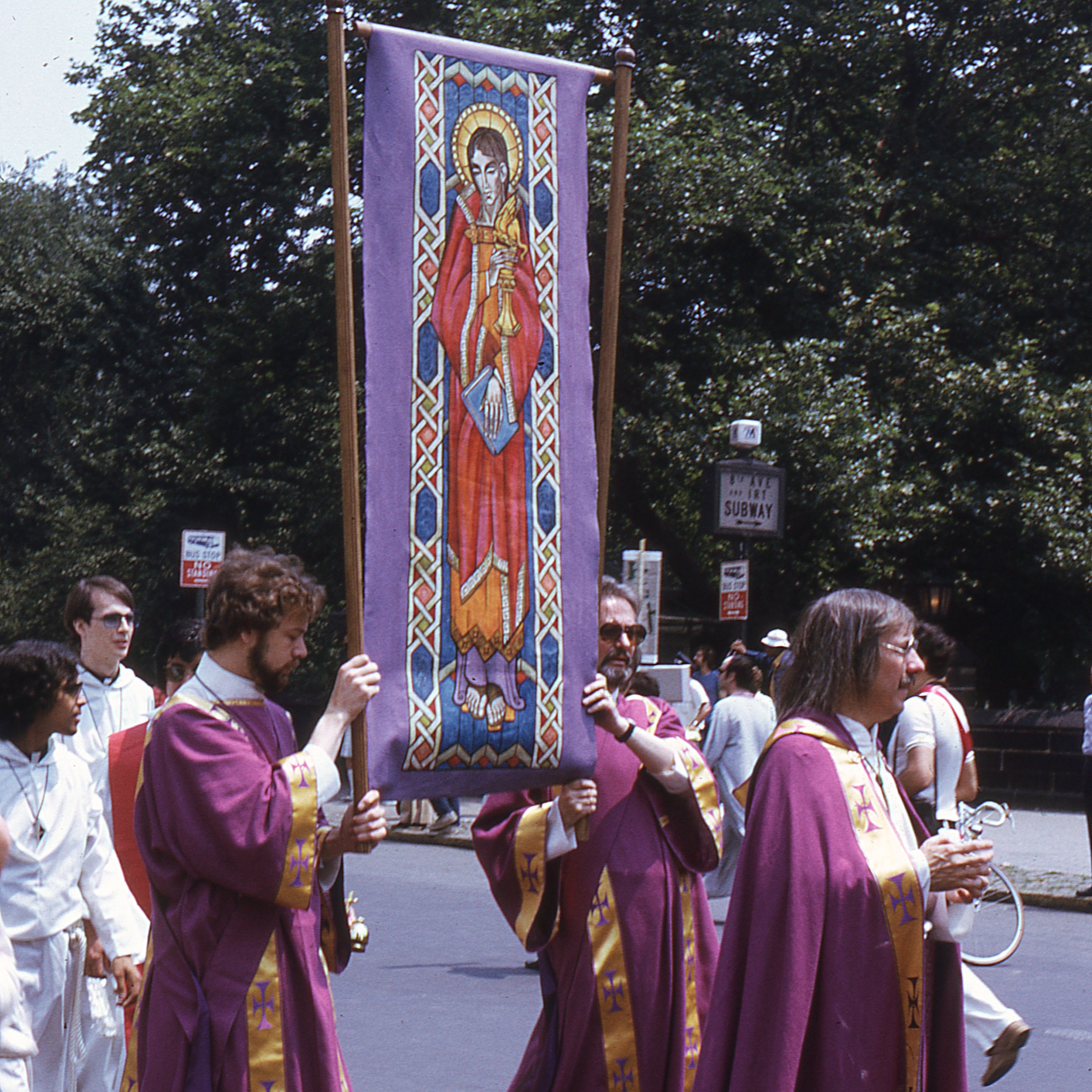
The Stonewall uprising of June 1969 transformed the context in which that ministry developed. In New York City’s first Gay Pride parade in June 1970, Clement marched in clerical dress carrying the now-iconic banner, “Gay People This Is Your Church.” His partner, John Darcy Noble, distributed invitations to the church. The response was extraordinary: estimates range from 600 to as many as 800 people attending the first public Mass on July 19, 1970, three weeks later, at the Church of the Holy Apostles, an Episcopal church at Ninth Avenue and 28th Street that was rented for the occasion. The congregation subsequently worshiped at several locations, including the First Moravian Church at Lexington Avenue and 30th Street, before establishing a home at 348 West 14th Street.
The church was both a religious congregation and a community institution. It offered LGBTQ people a place to worship, gather, organize, celebrate, mourn, and participate openly in spiritual life. At its center was a commitment to sacramental practice rooted in Catholic traditions and liturgical forms. The Church of the Beloved Disciple was not simply creating a welcoming religious space; it was asserting that LGBTQ people belonged within the sacramental life of Christianity itself.
Queer Sacramentality
Queer sacramentality describes the ways queer Christians have creatively inhabited sacramental traditions despite their marginalization and exclusion from sacramental life by dominant religious traditions.
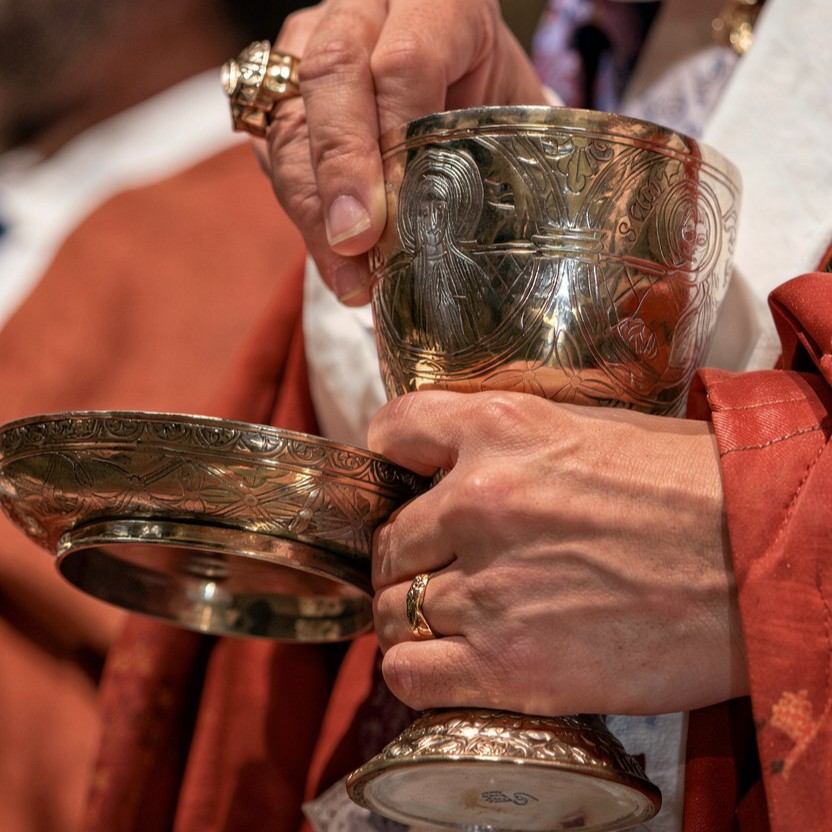
A sacrament makes divine grace present through embodied practices: water, bread, wine, oil, touch, words, vows, bodies, and communities. At the Church of the Beloved Disciple, LGBTQ Christians did not simply wait to be included in these practices. They became agents of sacramental creativity, adapting inherited traditions to their own lives and relationships.
This creativity was intertwined with the emergence of gay liberation. Political and spiritual transformation were not separate processes. As LGBTQ people claimed new forms of public identity and community, they were also developing new ways of understanding themselves spiritually. At the same time, communities such as Beloved Disciple provided rituals, spaces, relationships, and theological language through which emerging forms of queer identity and liberation could be expressed and sustained.
The clearest example was the Holy Union. In 1970, Clement and Noble developed a ceremony for same-sex couples that allowed them to publicly name and sanctify their relationships. At a time when same-sex marriage was neither legally recognized nor widely accepted by religious institutions, the Holy Union offered couples a ritual through which their relationships could be affirmed before their community and before God—not merely as good, but as true. Clement and Noble’s development of the Holy Union became one of the church’s most distinctive contributions to LGBTQ religious life.
The significance of the Holy Union extended beyond the ceremony itself. It occupied a space where spirituality, intimate life, and political resistance intersected. This ceremony of blessing became a public assertion of dignity and belonging.
Queer sacramentality matters to LGBTQ religious history because the struggle was not only over physical access to church spaces. It was also over who could receive Communion, whose relationships could be blessed, whose bodies could fully participate in the sacred, and whose lives could be understood as capable of bearing divine grace.
At Beloved Disciple, spirituality and activism were inseparable. The same people who marched through the streets of Manhattan gathered around the altar. “Gay People This Is Your Church” was simultaneously a political statement, a pastoral invitation, and a theological claim. The church was a place where spiritual practice and political liberation could take shape together.
Bishop Robert Mary Clement
At the center of this history is Robert Mary Clement—priest, bishop, activist, community organizer, and religious innovator.
Born in Pennsylvania in 1925, Clement entered the world of independent Catholicism during his formation for the priesthood. His ecclesiastical career crossed several Catholic jurisdictions, including the Old Catholic Church, the Old Roman Catholic Church, and the Polish National Catholic Church. By the mid-1960s, Clement had recognized that traditional religious institutions were unwilling to change their stance on inclusion for LGBTQ folks. Unwilling to accept the status quo as being unchangeable, Clement took it upon himself to develop an open and public ministry among LGBTQ people.
In 1968 Clement formed an independent Catholic parish to meet the sacramental needs of LGBTQ Christians. This work was aided by Clement’s life partner and collaborator, John Darcy Noble, whom he met in London in 1959. Together, Clement and Noble held the first public Mass of the Church of the Beloved Disciple on July 19, 1970, exactly three weeks after the first Christopher Street Liberation Day March.
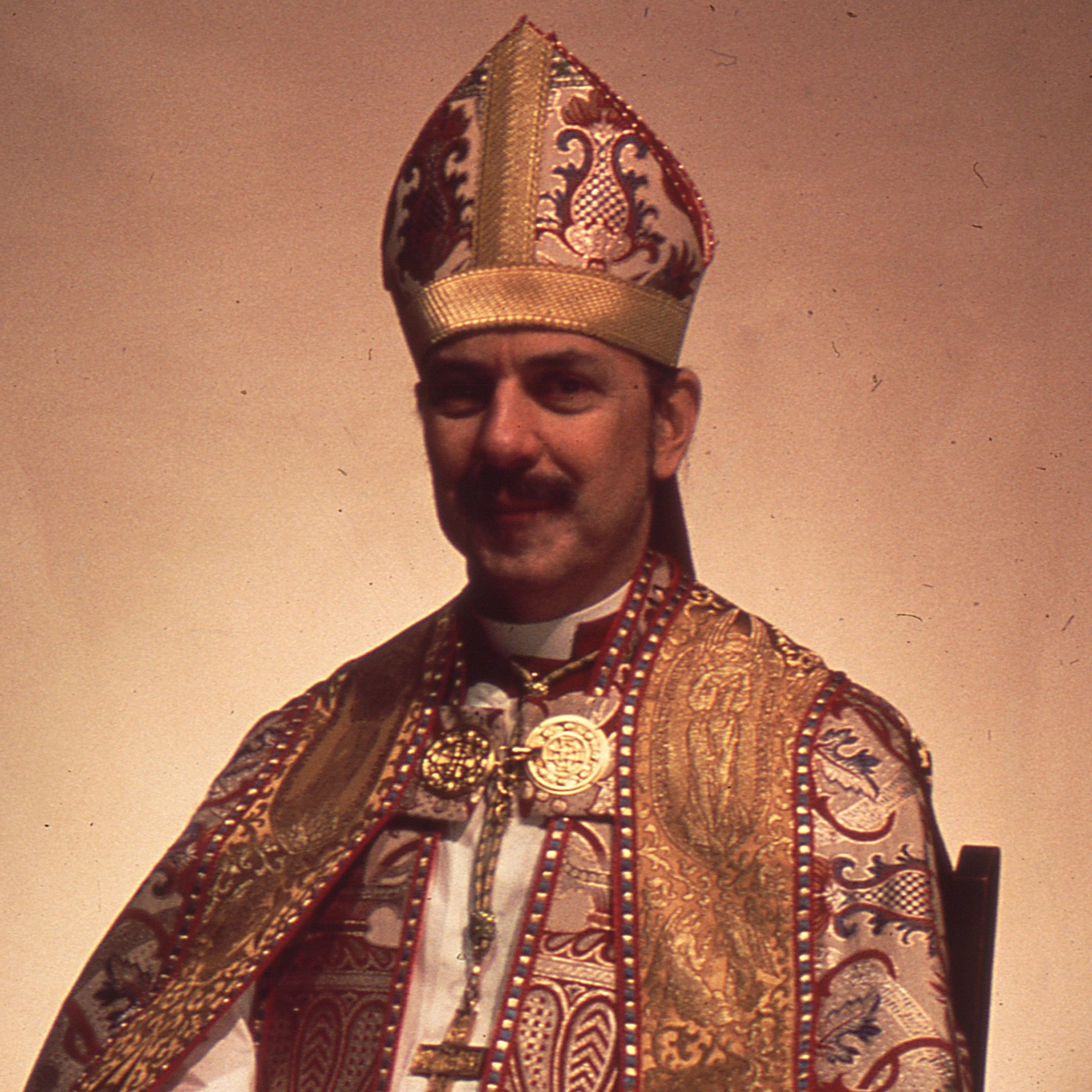
In 1974, Clement was consecrated a bishop in a ceremony that received national attention as the consecration of an openly gay bishop. By then, Beloved Disciple had become a significant part of New York City’s LGBTQ religious life. Clement continued his ministry after leaving New York, eventually establishing himself in Southern California and remaining active in independent Catholic and LGBTQ religious communities for decades.
Clement’s importance lies not simply in being an early openly gay priest or bishop. He helped create a religious vocabulary through which LGBTQ people could understand themselves as participants in Christian sacramental life.
Bishop George Augustine Hyde
Queer sacramentality, however, did not begin with Clement. Its modern genealogy reaches back to George Augustine Hyde, an independent Catholic bishop whose ministry began in Atlanta, Georgia, during the 1940s.
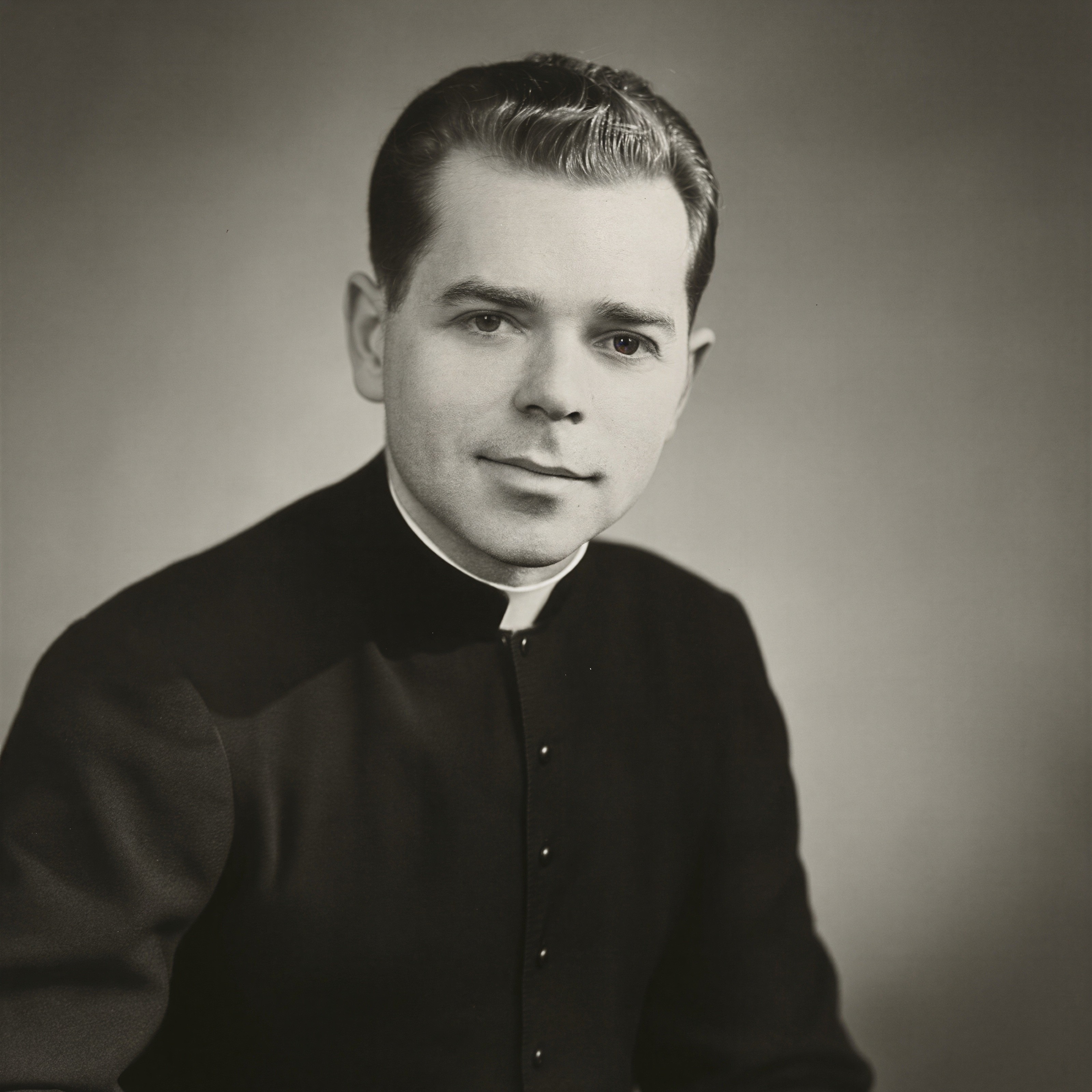
Born in Chattanooga, Tennessee, in 1923 and raised in Atlanta, Hyde initially pursued Roman Catholic priesthood. Hyde was dismissed from seminary after a fellow student accused him of same-sex conduct, an accusation he later disputed. In 1946, in response to a gay parishioner being denied Communion, he began organizing an alternative sacramental community in Atlanta. The emerging congregation provided a spiritual and religious home for people excluded elsewhere, including gay and lesbian Christians. On July 1, 1946, Greek Bishop John Augustine Kazantks ordained Hyde to the priesthood in Atlanta. Hyde and his community formed the Eucharistic Catholic Church, an interracial and openly affirming sacramental church.
Hyde’s ministry represents an important earlier chapter in the history of queer-affirming sacramental Christianity. His congregation was the first known sacramental church in the United States to openly minister to and with homosexuals.
In 1957, after several years of theological formation with Archbishop Clement Sherwood (Orthodox-Catholic Church of America), Hyde was consecrated a bishop. In 1969, he encouraged and worked with Clement as Clement developed a gay-oriented parish in New York that would become the Church of the Beloved Disciple. In the early 1970s, Hyde transferred the institutional and spiritual legacy of the Eucharistic Catholic Church to Clement.
The connection between Hyde and Clement places Beloved Disciple within a longer history of independent Catholic communities experimenting with ecclesiastical authority, apostolic succession, sacramental practice, and alternative forms of Christian community. The Church of the Beloved Disciple was not an isolated development; it was part of a broader and largely overlooked history of LGBTQ spiritual and religious innovation.
The Archive and the Exhibition
The materials presented in this exhibition come from the Church of the Beloved Disciple Archive, an open-access digital archive dedicated to preserving and making accessible the surviving documentary record of the Church of the Beloved Disciple. The archive brings together photographs, newspaper and magazine coverage, correspondence, liturgical publications, audio recordings, ephemera, and other historical materials dating primarily from the late 1960s through the 1980s.
This exhibition and the Church of the Beloved Disciple Archive are curated by Roy A. Fisher, Ph.D., Assistant Professor of Theological Studies at Loyola Marymount University in Los Angeles.