
Archives Exhibit

Bishop Robert Mary Clement


A Priesthood Reimagined

Robert Mary Clement’s ministry emerged from a lifelong commitment to apostolic priesthood and sacramental spirituality. Ordained by Archbishop William Henry Francis Brothers in the Old Catholic Church of America in 1948, Clement subsequently served within several independent Catholic traditions. Clement understood his vocation through the sacramental practices of historic Christianity. Rather than abandoning that tradition as his understanding of his sexuality and ministry developed, he increasingly sought ways to make the sacramental life available to people whom established churches had often excluded.

Clement’s relationship with John Darcy Noble became inseparable from this developing vocation. After meeting in London in 1959, they built a life together that eventually joined intimate partnership, religious ministry, and public advocacy. Their story provides an important starting point for understanding Clement’s contribution to queer sacramentality: the conviction, enacted through relationships and sacramental practice, that queer lives and loves could themselves participate in sacred life. The Church of the Beloved Disciple would eventually give this vision a public, communal, and explicitly Catholic form.

 
http://d2osek5pf4af91.cloudfront.net/archive_objects/LGBTQ-RAN/CBD_010.jpeg

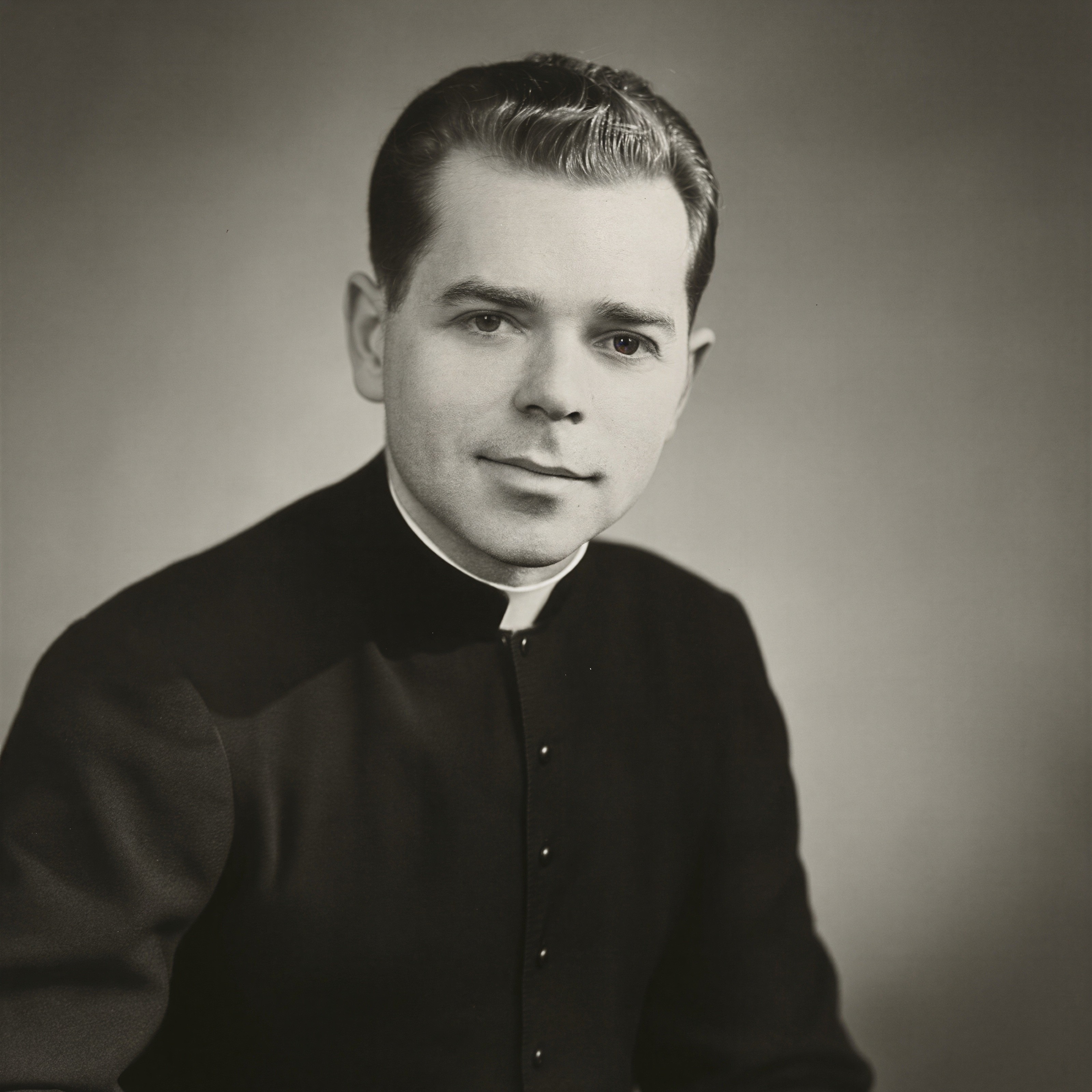
A young Robert Mary Clement early in his priestly ministry. Ordained in the Old Catholic Church of America in 1948.

LGBTQ-RAN Profile: Robert Mary Clement

Read the LGBTQ Religious Archives Network profile of Robert Mary Clement for a fuller account of his life as a priest, bishop, founder of the Church of the Beloved Disciple, and advocate for LGBTQ spiritual and sacramental life.

http://d2osek5pf4af91.cloudfront.net/archive_objects/LGBTQ-RAN/CBD_011.jpeg

Clement’s certificate of priestly ordination documents his entry into the priesthood in 1948, establishing the sacramental vocation that would later become foundational to his LGBTQ-affirming ministry.

CBD_099.png

Robert Mary Clement and John Darcy Noble, who met in London in 1959 and shared a 44-year partnership, joined their personal relationship to a shared life of ministry, spirituality, and advocacy.


“Gay People, This Is Your Church”: Ministry and Liberation

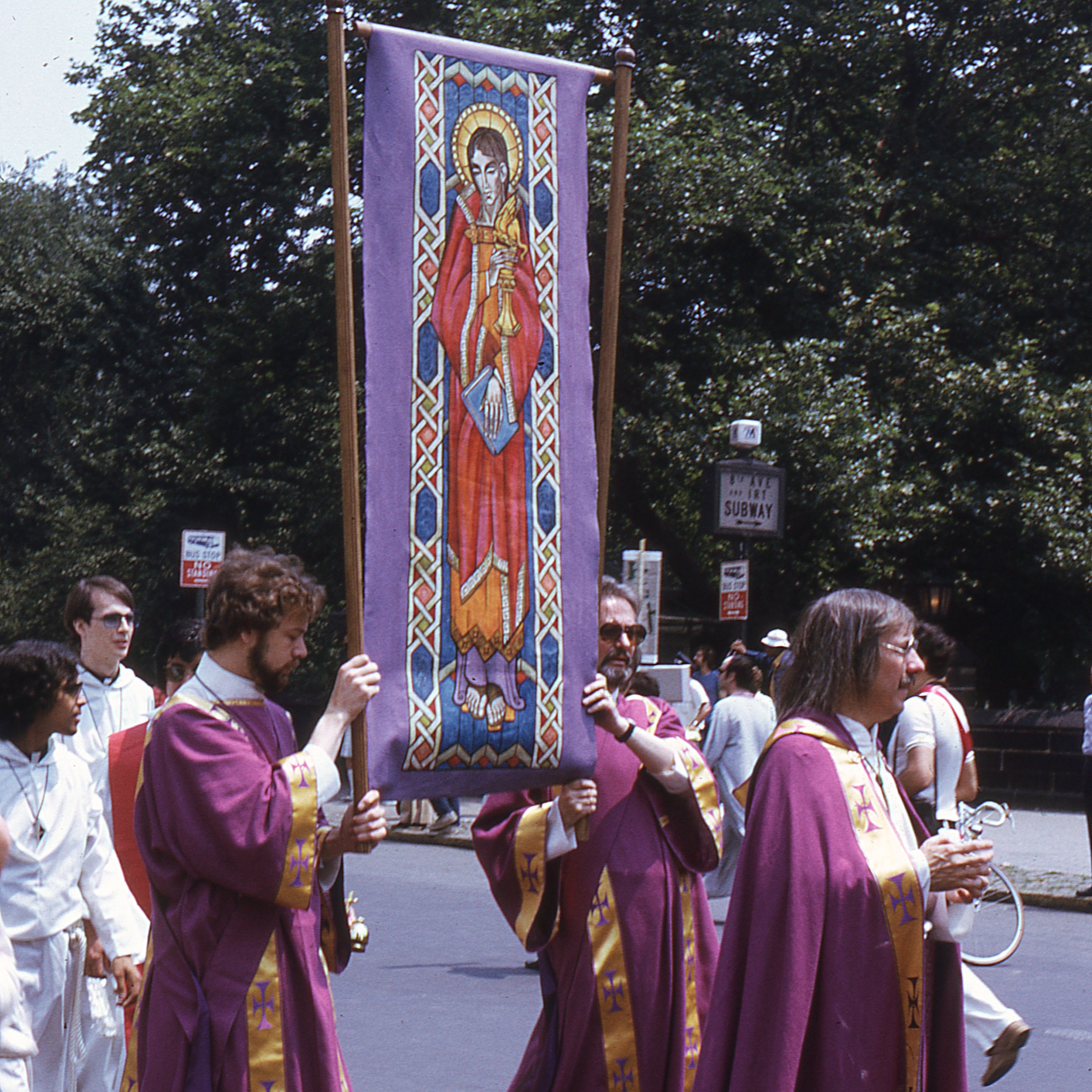
Clement’s participation in the first Christopher Street Liberation Day March on June 28, 1970, placed his priesthood visibly within the emerging gay liberation movement. Pride and worship were not separate dimensions of Clement’s ministry. Marching in clerical dress beneath the message “Gay People, This Is Your Church,” Clement presented the Church of the Beloved Disciple as a religious community in which LGBTQ identity and Christian belonging were not incompatible. Flyers distributed during the march invited participants to the Church of the Beloved Disciple’s first public Mass on July 19, linking public liberation with the creation of an affirming spiritual community. The first public Mass was held using the rented Church of the Holy Apostles on July 19, 1970. Estimates range from 600 to as many as 800 people in attendance.

The materials in this section illuminate an important dimension of queer sacramentality in Clement’s ministry. Clement's vision of gay liberation was not one in which political liberation was pitted against spirituality. Clement's vision was to bring the two into creative relationship. Marching publicly in his clerical collar made priesthood itself a visible claim to queer religious belonging, while the Mass offered a space in which that belonging could be ritually and communally enacted.

 
http://d2osek5pf4af91.cloudfront.net/archive_objects/LGBTQ-RAN/CBD_012.pdf

After leaving the Polish National Catholic Church in the late 1960s, Clement established an independent sacramental ministry that was formally incorporated in 1969 as the American Orthodox Church of the United States. This provided an ecclesial framework from which his New York LGBTQ ministry, including the Church of the Beloved Disciple, developed.

http://d2osek5pf4af91.cloudfront.net/archive_objects/LGBTQ-RAN/CBD_013.jpeg

Flyer advertising NYC's first Christopher Street Liberation Day March on June 28, 1970.

http://d2osek5pf4af91.cloudfront.net/archive_objects/LGBTQ-RAN/CBD_014.jpeg

Robert Mary Clement marches in clerical dress at the first Christopher Street Liberation Day March on June 28, 1970, carrying the message “Gay People, This Is Your Church” and publicly asserting that gay identity and Christian belonging were not incompatible.

External Resource: NYC LGBTQ Historic Sites — First Christopher Street Liberation Day March

Explore the NYC LGBTQ Historic Sites account of New York’s first Christopher Street Liberation Day March for additional historical context on the gay liberation movement in which Clement and the Church of the Beloved Disciple became publicly visible.

Video: The First Christopher Street Liberation Day March (1970)

Watch archival footage of Robert Mary Clement participating in the first Christopher Street Liberation Day March, documenting the moment when his priesthood and emerging ministry became publicly visible within the gay liberation movement.

http://d2osek5pf4af91.cloudfront.net/archive_objects/LGBTQ-RAN/CBD_015.jpg

Robert Mary Clement celebrates the Church of the Beloved Disciple’s first public Mass at the Church of the Holy Apostles on July 19, 1970; estimates place attendance at approximately 600 to 800 people following the church’s outreach at the first Christopher Street Liberation Day March three weeks earlier.

http://d2osek5pf4af91.cloudfront.net/archive_objects/LGBTQ-RAN/CBD_096.mp3

In this recording of his 1982 Easter sermon, Bishop Robert Mary Clement can be heard exercising the preaching ministry that remained central to the Church of the Beloved Disciple’s sacramental and spiritual life.


Claiming the Episcopate

Clement’s consecration as a bishop on October 6, 1974, marked a significant development in both his ministry and the institutional life of the Church of the Beloved Disciple. Consecrated by Archbishop Richard Arthur Marchenna (Old Roman Catholic Church) with Bishop Martin Luther Williams (African Orthodox Church) assisting, Clement received episcopal authority to ordain clergy, oversee sacramental ministry, and provide continuing ecclesial leadership for the community he had helped create. His consecration attracted considerable attention because an openly gay priest serving an explicitly LGBTQ congregation was now publicly assuming one of Christianity’s most traditional offices.

The significance of Clement’s episcopacy lies precisely in this conjunction of tradition and queer religious life. Clement did not understand LGBTQ affirmation as requiring the abandonment of Catholic sacramental forms; he claimed those forms as capable of expressing and sustaining queer spiritual life. Vestments, episcopal succession, ordination, the Mass, and the authority of the bishop therefore became part of the Church of the Beloved Disciple’s queer sacramentality. Clement’s subsequent ordination of priests made this claim institutional as well as symbolic: a sacramental community created around LGBTQ lives was developing the clergy and ecclesial structures necessary to perpetuate itself.

 
http://d2osek5pf4af91.cloudfront.net/archive_objects/LGBTQ-RAN/CBD_052.pdf

The service booklet prepared for Robert Mary Clement’s episcopal consecration on October 6, 1974.

http://d2osek5pf4af91.cloudfront.net/archive_objects/LGBTQ-RAN/CBD_053.jpg

Robert Mary Clement kneels with the Gospel Book across his shoulders during his episcopal consecration at Metropolitan-Duane United Methodist Church in New York City on October 6, 1974. Archbishop Richard Arthur Marchenna served as principal consecrator, assisted by Bishop Martin Luther Williams.

http://d2osek5pf4af91.cloudfront.net/archive_objects/LGBTQ-RAN/CBD_054.jpg

Archbishop Richard Arthur Marchenna, who had known Clement from his earlier Old Roman Catholic ministry, served as principal consecrator, placing Clement within the episcopal succession through which he understood his sacramental authority.

http://d2osek5pf4af91.cloudfront.net/archive_objects/LGBTQ-RAN/CBD_059.jpg

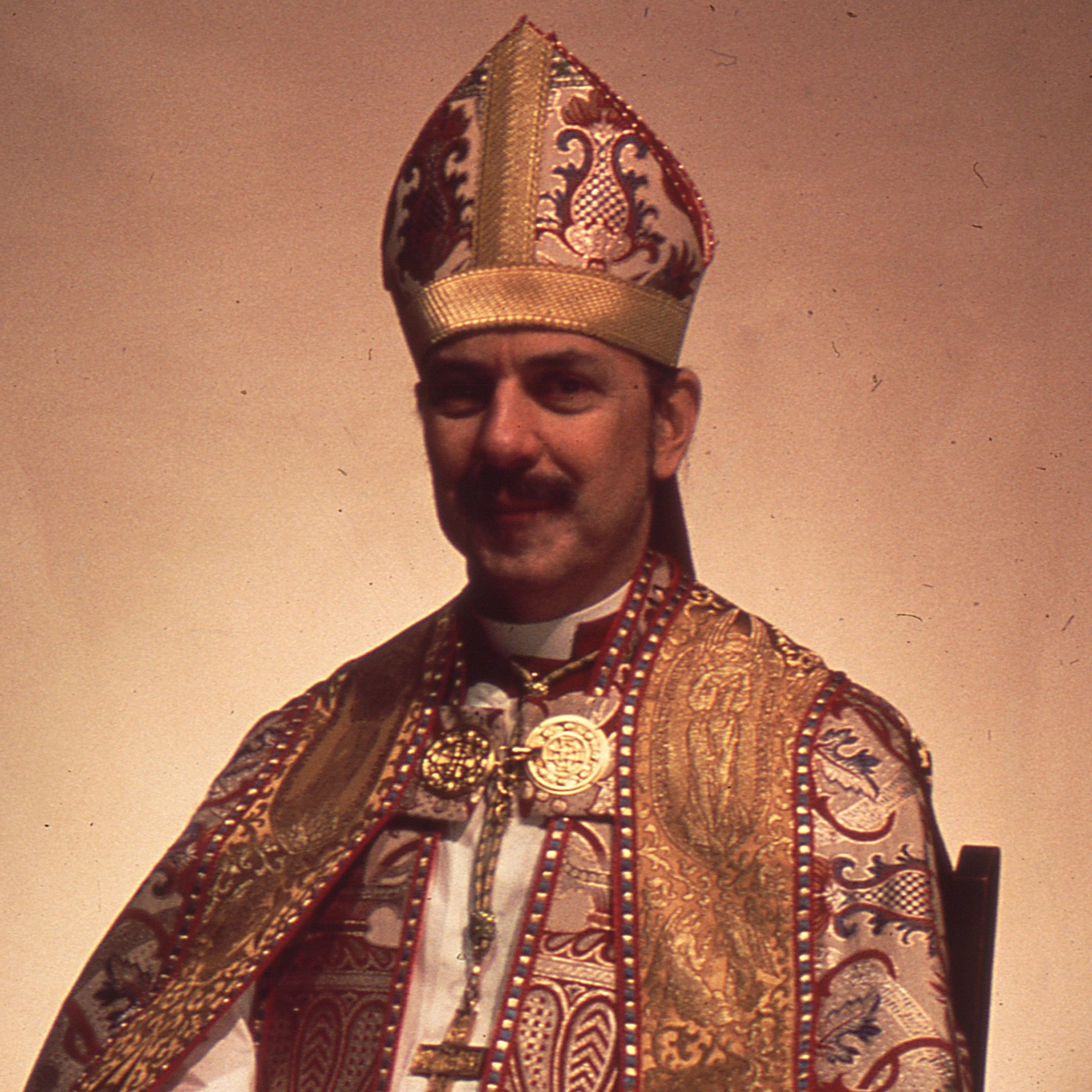
Robert Mary Clement in episcopal vestments following his 1974 consecration, visually claiming the symbols and authority of the historic episcopate for an openly gay bishop and his LGBTQ-affirming sacramental ministry.

http://d2osek5pf4af91.cloudfront.net/archive_objects/LGBTQ-RAN/CBD_062.jpeg

The June 1976 issue of FLASH: The International Guide to Gay Living presents Clement as “New York’s Gay Patriarch,” reflecting the unusual public visibility he acquired as an openly gay bishop whose ministry joined Catholic sacramental authority with advocacy for gay and lesbian people.

http://d2osek5pf4af91.cloudfront.net/archive_objects/LGBTQ-RAN/CBD_072.jpeg

In October 1978, Bishop Clement ordains five priests for the Church of the Beloved Disciple, exercising episcopal authority to sustain the congregation’s sacramental ministry through a new generation of clergy.

http://d2osek5pf4af91.cloudfront.net/archive_objects/LGBTQ-RAN/CBD_078.pdf

The Church of the Beloved Disciple’s Ordinary of the Mass, prepared by Clement for the congregation’s worship, reflects the traditional liturgical framework within which he exercised his episcopal ministry, demonstrating that LGBTQ affirmation was integrated into, rather than positioned against, Catholic sacramental practice.


A Sacramental Lineage: Hyde, Marchenna, and Clement

Clement’s ministry developed within a network of relationships connecting his LGBTQ-affirming work to older traditions of independent Catholicism. George Augustine Hyde had established an explicitly welcoming sacramental ministry in Atlanta in 1946 and later encouraged Clement’s work in New York. In 1972, Hyde transferred the incorporation papers of the American Catholic Church to Clement and subsequently authorized him to continue the mission of the Eucharistic Catholic Church through the Church of the Beloved Disciple.

Clement also maintained an important connection with Archbishop Richard Arthur Marchenna (Old Roman Catholic Church), under whose jurisdiction he had served as a young priest and who consecrated him to the episcopate in 1974. These relationships reveal that Clement’s queer sacramentality did not emerge outside Christian tradition, but through a complex network of episcopal relationships, apostolic succession, personal bonds, and inherited ministries. Hyde and Marchenna connected Clement to different strands of independent Catholic history, while Clement and John Darcy Noble drew those inheritances into a distinctly LGBTQ spiritual and sacramental community.

 
http://d2osek5pf4af91.cloudfront.net/archive_objects/LGBTQ-RAN/CBD_082.jpeg

In this Christmas correspondence, Archbishop George Augustine Hyde writes to Robert Mary Clement, preserving evidence of the personal and ecclesial relationship linking their two generations of LGBTQ-affirming independent Catholic ministry.

http://d2osek5pf4af91.cloudfront.net/archive_objects/LGBTQ-RAN/CBD_083.pdf

Correspondence between George Augustine Hyde and Robert Mary Clement documents an ecclesial relationship that linked the Church of the Beloved Disciple to Hyde’s earlier ministry. In 1972 Hyde transferred the incorporation papers of the American Catholic Church to Clement, and in 1974 authorized him to continue the mission of the Eucharistic Catholic Church at Beloved Disciple.

http://d2osek5pf4af91.cloudfront.net/archive_objects/LGBTQ-RAN/CBD_067.jpeg

Archbishop George Augustine Hyde, depicted here preaching at the Church of the Beloved Disciple, founded the Eucharistic Catholic Church in Atlanta in 1946 as an explicitly welcoming sacramental ministry.

http://d2osek5pf4af91.cloudfront.net/archive_objects/LGBTQ-RAN/CBD_086.jpeg

Archbishops George Augustine Hyde and Richard Arthur Marchenna with John Darcy Noble. Together, the three represent intersecting relationships of ecclesial inheritance, personal partnership, and ministry that shaped Clement’s development and the Church of the Beloved Disciple.


A Ministry Continued: California and Clement’s Later Years

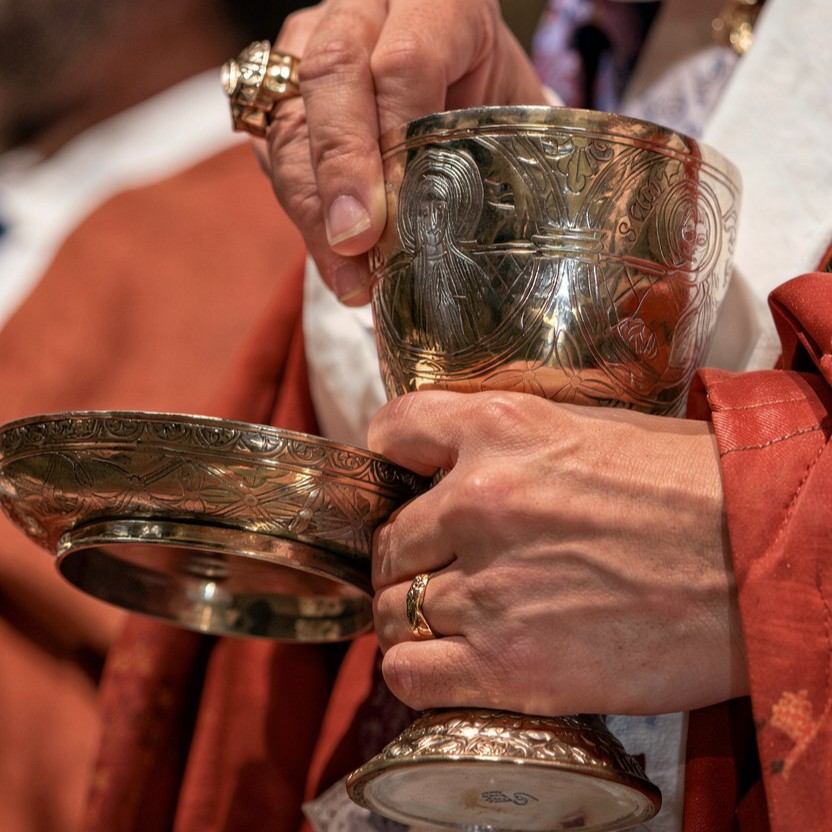
After Clement and John Darcy Noble retired from active leadership in New York and moved to Southern California in 1986, Clement continued the spiritual and sacramental vision that had shaped the Church of the Beloved Disciple. Following Noble’s death in 2003, he carried the work of the American Catholic Church forward in Los Angeles, participated in interfaith and independent Catholic networks, and worked closely with Adrian Ravarour, whom he consecrated bishop in 2006. Photographs of Clement celebrating the Eucharist and participating in Pride show that queer sacramentality remained both liturgical and public for Clement. LGBTQ Christian belonging continued to be enacted at the altar and made visible in the wider community.

Clement retired as Archbishop of the American Catholic Church in 2019 after nearly forty-five years as a bishop, transferring leadership to Archbishop Ravarour. His appearance in Senior Prom and the tribute marking his 100th birthday place his ministry within a much longer history of LGBTQ life and liberation. Together, these materials show Clement’s California years not simply as an epilogue to the Church of the Beloved Disciple, but as a period in which its spiritual and sacramental vision was transmitted to another generation.

 
http://d2osek5pf4af91.cloudfront.net/archive_objects/LGBTQ-RAN/CBD_097.png

Archbishop Robert Mary Clement concelebrates the Eucharist with Bishop Adrian Ravarour in Los Angeles in 2006, continuing the sacramental ministry that had been central to Clement’s work with the Church of the Beloved Disciple decades earlier.

http://d2osek5pf4af91.cloudfront.net/archive_objects/LGBTQ-RAN/CBD_098.png

Archbishop Robert Mary Clement participates in Los Angeles Pride, continuing the public LGBTQ Christian witness that had marked his ministry since New York’s first Christopher Street Liberation Day March in 1970.

Video: Senior Prom — PBS Short Docs

Watch this PBS short documentary featuring Robert Mary Clement alongside other LGBTQ elders reflecting on aging, relationships, and lives shaped by decades of social change, placing Clement’s story within the longer history of LGBTQ life and liberation.

Video Tribute: Robert Mary Clement at 100 — LGBTQ-RAN

Watch the LGBTQ Religious Archives Network’s tribute marking Robert Mary Clement’s 100th birthday and reflecting on the historical legacy of his decades of LGBTQ-affirming religious leadership.