
Bishop George Augustine Hyde
George Augustine Hyde: A Sacramental Vocation
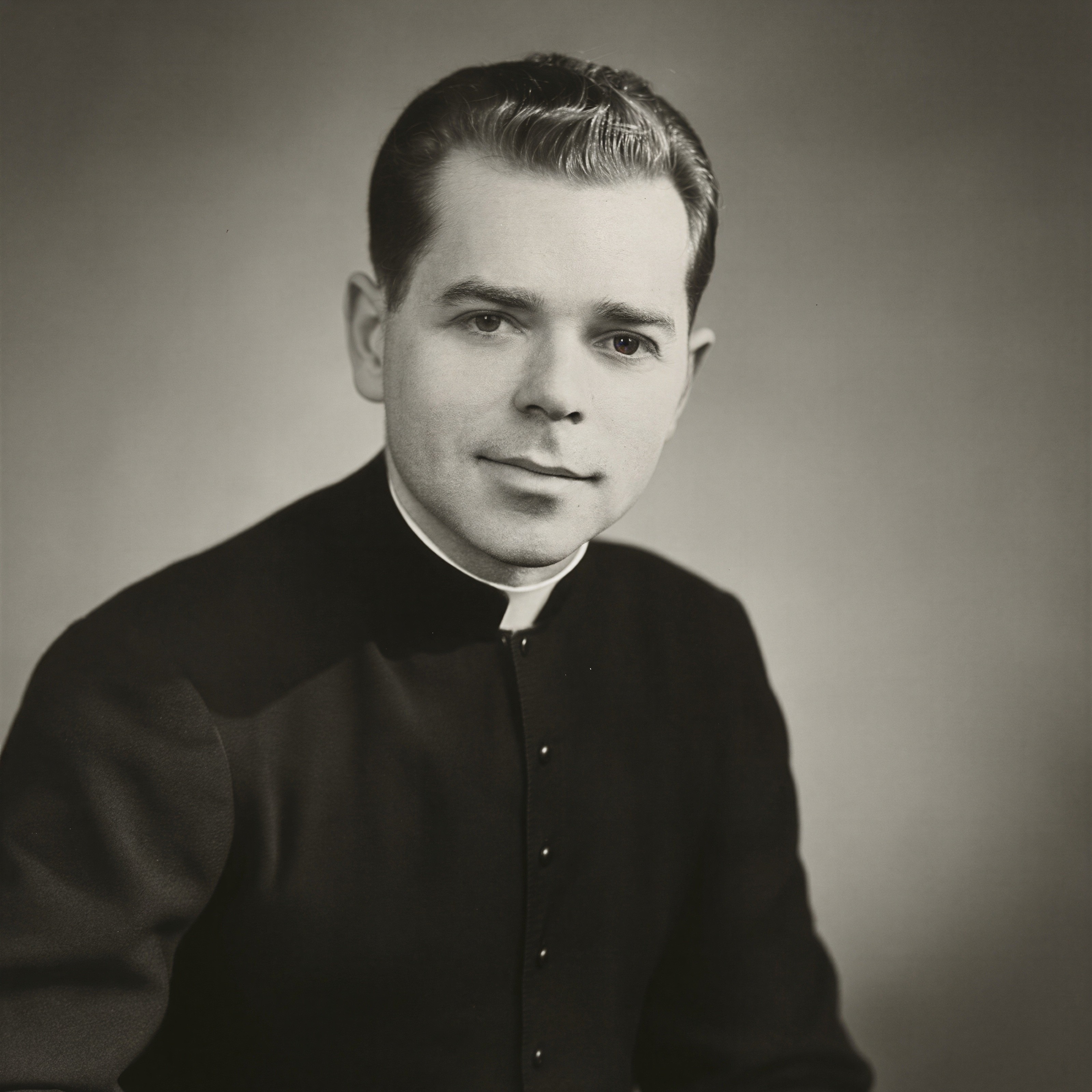
Hyde’s pioneering ministry grew from his conviction that homosexual Christians should not be excluded from the Church or denied participation in its sacramental life. George Augustine Hyde’s path toward ministry began within religious traditions that would ultimately exclude him. Raised in a Southern Baptist family, he became increasingly drawn to Roman Catholic and Orthodox Christianity and entered St. Mary’s Seminary in Missouri to prepare for the Roman Catholic priesthood. After being accused of same-sex conduct by another seminarian, however, Hyde was dismissed. Returning to Atlanta, he remained deeply committed to Catholic spirituality and sacramental life even as he confronted the consequences of the Church’s condemnation of homosexuality.
That conflict became decisive when Hyde learned that a young man at Sacred Heart Church in Atlanta had been denied Communion because he would not condemn his homosexual behavior as an “abomination.” Hyde responded by organizing silent protests during Mass and eventually helped gather a community seeking an ecclesial life beyond churches that had closed their doors to them. His response to exclusion was therefore not an abandonment of sacramental Christianity, but an insistence that its sacraments, ministry, and traditions also belonged to those whom established churches had rejected. Rather than seeking a Christianity without sacrament, Hyde began imagining a sacramental community in which homosexual Christians could worship openly and receive the Eucharist without first denying or concealing their lives. In 1946, that conviction would take institutional form in Atlanta.

Founding the Eucharistic Catholic Church: Atlanta, 1946
Hyde’s response to sacramental exclusion took concrete form in Atlanta during the summer of 1946. Together with an exiled Greek bishop, John Augustine Kazantks, he organized gatherings for people seeking an ecclesial life outside churches that rejected them. On July 1, Kazantks ordained Hyde to the priesthood during the first formal gathering of the new parish in a meeting room of the Winecoff Hotel. The room was paid for by the management of the Cotton Blossom Room, a gay bar in the same hotel—a striking intersection of queer social life and emerging sacramental community.
The congregation initially called itself the Church of the Blessed Sacrament, then adopted Holy Eucharist after discovering other churches already used that name. Hyde later explained that the new name again pointed deliberately to Eucharistic Communion—the sacrament whose denial to gay people had helped precipitate the community’s formation. Over time the congregation became known as the Eucharistic Catholic Church. In Hyde’s telling, sacramental exclusion was answered not by abandoning Christian tradition but by creating a church in which gay and lesbian people could inhabit it openly.


From Atlanta to New York: Entrusting a Sacramental Legacy
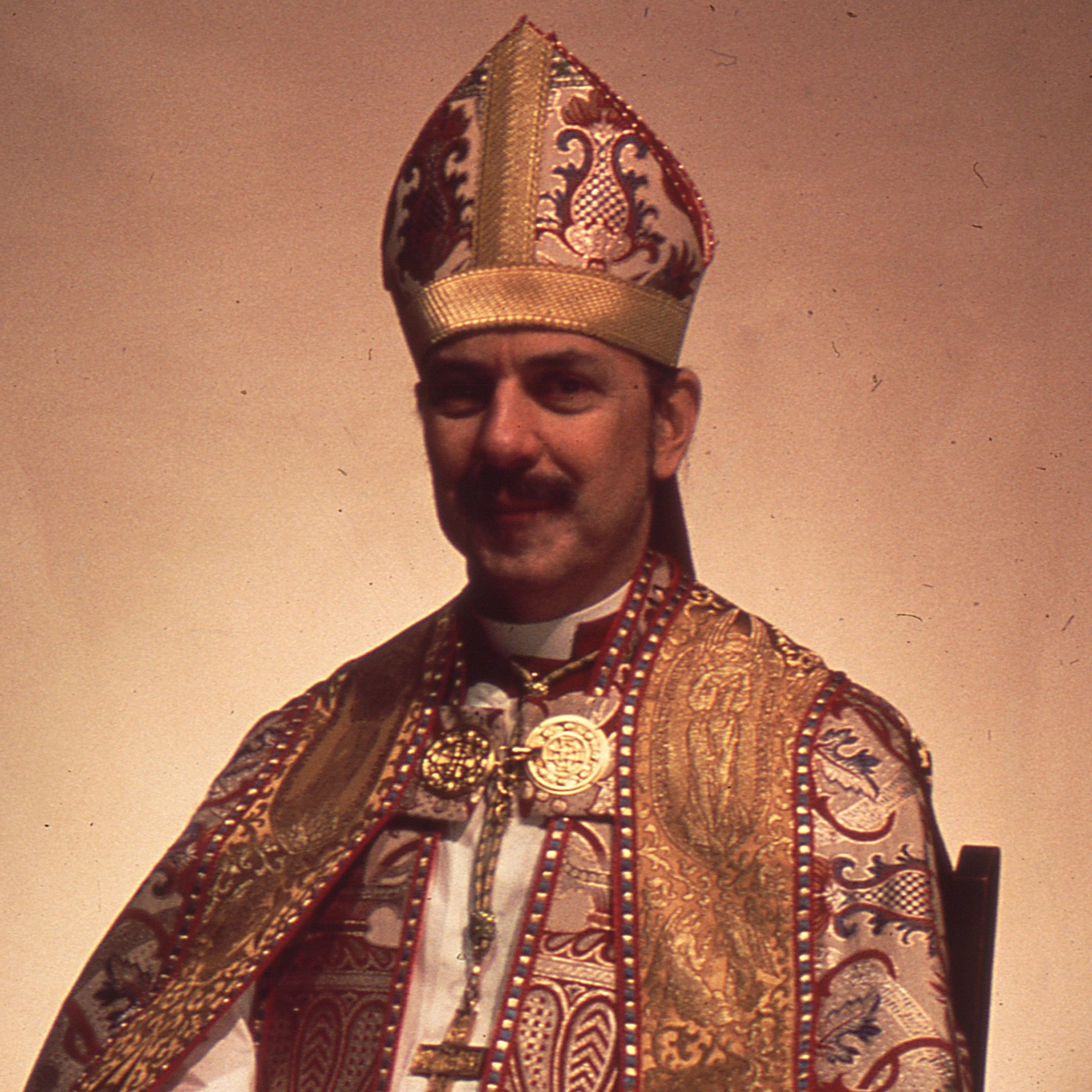
Hyde’s ministry expanded beyond the Atlanta congregation without abandoning the inclusive sacramental vision that had shaped it. After moving to Washington, D.C., in 1950, he entered a wider world of independent Orthodox-Catholic ministry. Archbishop Clement Sherwood provided further theological formation and consecrated Hyde to the episcopate on May 7, 1957; after Sherwood’s death, Hyde was elected his successor in 1970 within the Orthodox-Catholic Church of America. The OCCA was not a specifically gay denomination, but Hyde continued to insist that sexual orientation should neither bar people from sacramental life nor determine their fitness for ministry.
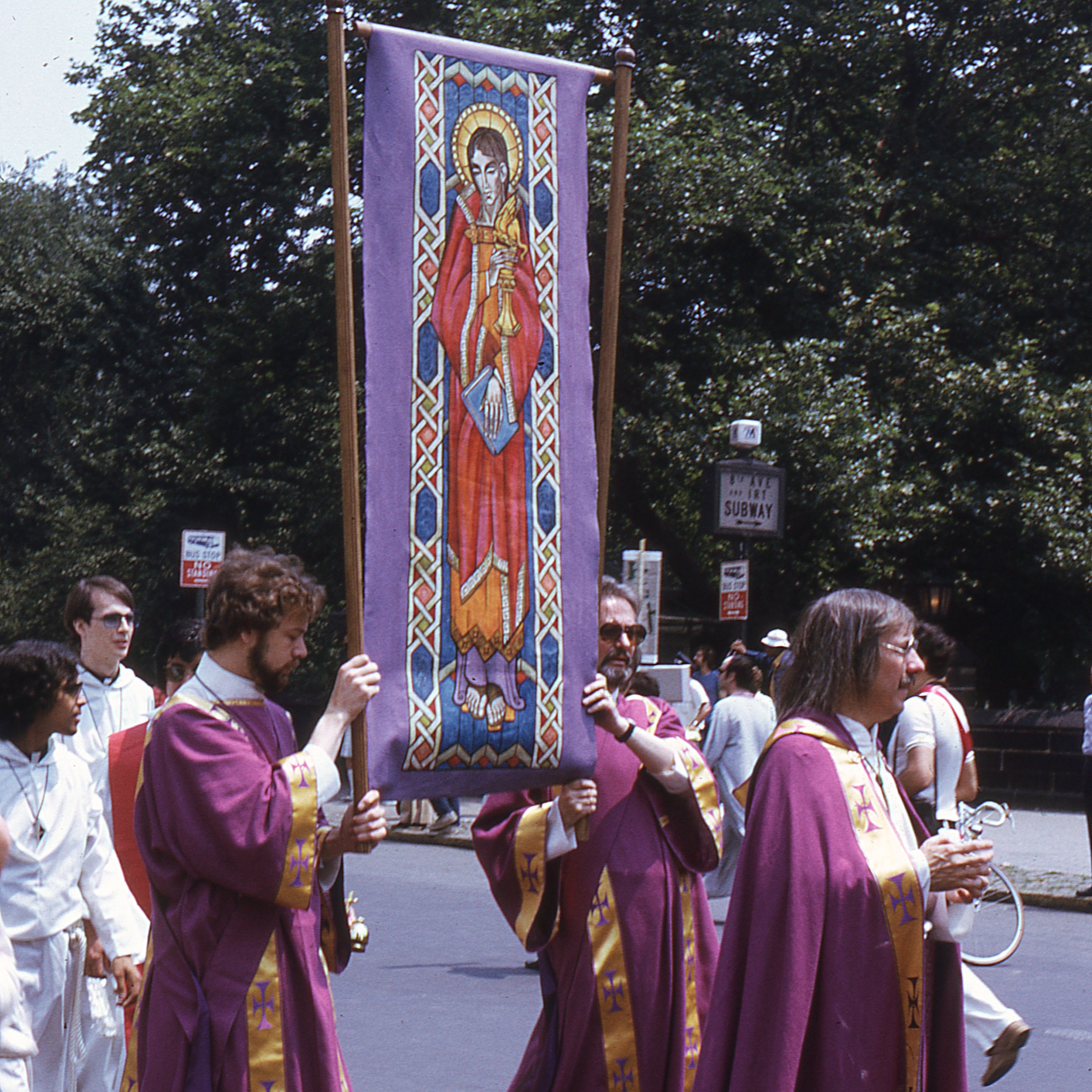
Hyde also did not regard the Eucharistic Catholic Church as a closed chapter. Through Robert Mary Clement, John Darcy Noble, and the Church of the Beloved Disciple, he helped transmit its mission into the world of gay liberation in New York. In 1972 he transferred the incorporation papers of the American Catholic Church to Clement, and in 1974 authorized Clement to continue the mission of the Eucharistic Catholic Church at Beloved Disciple. In a 1980 Nativity letter written to Clement, Hyde condemned the exclusion of homosexual people from the sacraments and explicitly described the Church of the Beloved Disciple as carrying the Eucharistic Catholic Church’s ministry forward.
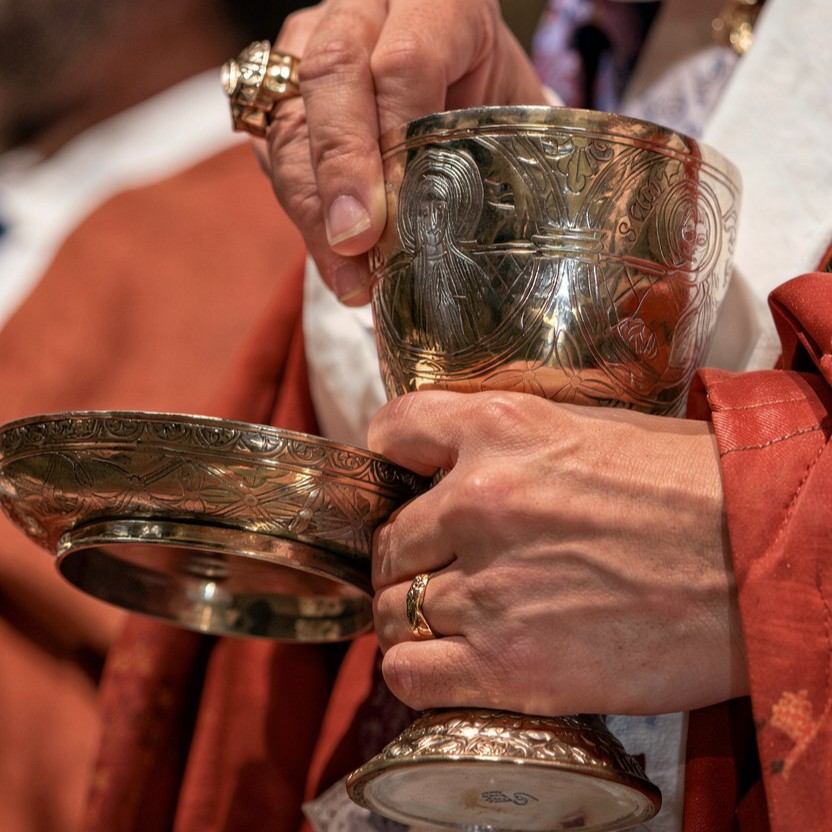
The connection between Hyde’s work and Clement’s was more than retrospective similarity. Through personal relationships, ecclesial acts, and sacred objects, Hyde consciously linked the ministry he had begun in Atlanta in 1946 with Clement and Noble’s work in New York City. The Church of the Beloved Disciple became a new expression of that inheritance within the world of gay liberation, carrying an earlier queer-affirming sacramental vision into a new historical moment.