
Archives Exhibit

The Church of the Beloved Disciple


Pride and Public Life

The Church of the Beloved Disciple emerged at a moment when gay liberation was transforming New York City. Flyers, photographs, and interviews from the earliest Pride demonstrations document a congregation becoming increasingly visible within a movement that was reshaping the city’s LGBTQ community. For Robert Mary Clement, John Darcy Noble, and the Church of the Beloved Disciple, participation in Pride did not require leaving their sacramental independent Catholic identity behind. Instead, the church brought its religious presence into the streets, appearing alongside other activists and organizations while asserting that LGBTQ people could claim a place within Christian sacramental life. From the beginning, the congregation connected religious belonging with public liberation, making its sacramental LGBTQ identity part of the emerging LGBTQ movement.

 
http://d2osek5pf4af91.cloudfront.net/archive_objects/LGBTQ-RAN/CBD_013.jpeg

Flyer announcing the inaugural Christopher Street Liberation Day March, held in New York City on June 28, 1970, to commemorate the first anniversary of the Stonewall uprising.

http://d2osek5pf4af91.cloudfront.net/archive_objects/LGBTQ-RAN/CBD_014.jpeg

Robert Mary Clement and John Darcy Noble stand beneath the sign “Gay People, This Is Your Church” following New York’s first Christopher Street Liberation Day March in 1970, publicly declaring that gay people could claim a place within Christian sacramental life.

External Resource: NYC LGBTQ Historic Sites — First Christopher Street Liberation Day March

Explore the NYC LGBTQ Historic Sites entry documenting the route and historical significance of New York City’s first Christopher Street Liberation Day March on June 28, 1970.

Video: The First Christopher Street Liberation Day March (1970)

Watch archival footage of Robert Mary Clement marching in the first Christopher Street Liberation Day March and later appearing with John Darcy Noble in Sheep Meadow, where Clement describes the Church of the Beloved Disciple as a sacramental Catholic community serving gay people.


Finding a Home

The Church of the Beloved Disciple began as a congregation without a permanent home, worshiping in rented spaces. The congregation moved through several locations before establishing its permanent home at 348 West 14th Street in 1973. The church now had a place in which worship, community, and ministry could take root, creating the physical setting for an increasingly developed sacramental life. 

 
http://d2osek5pf4af91.cloudfront.net/archive_objects/LGBTQ-RAN/CBD_015.jpg

Robert M. Clement celebrates the first public Mass of the Church of the Beloved Disciple at the rented Church of the Holy Apostles on July 19, 1970.

http://d2osek5pf4af91.cloudfront.net/archive_objects/LGBTQ-RAN/CBD_028.jpg

The Church of the Beloved Disciple holding its first service in its second location, the Moravian Church on Lexington Avenue on November 1, 1972.

http://d2osek5pf4af91.cloudfront.net/archive_objects/LGBTQ-RAN/CBD_029.jpg

After leaving the Moravian Church, the congregation established a temporary home at the West Side Discussion Group in 1973.

External Resource: NYC LGBTQ Historic Sites — West Side Discussion Group Center

Explore the history of the West Side Discussion Group Center, one of the Church of the Beloved Disciple’s temporary Manhattan worship locations.

http://d2osek5pf4af91.cloudfront.net/archive_objects/LGBTQ-RAN/CBD_030.tiff

In October 1973, the Church of the Beloved Disciple processed through Manhattan to its newly acquired home at 348 West 14th Street, marking a major transition from borrowed worship spaces to a church of its own.

http://d2osek5pf4af91.cloudfront.net/archive_objects/LGBTQ-RAN/CBD_031.jpg

Robert Mary Clement blesses the entrance to the Church of the Beloved Disciple’s new permanent home at 348 West 14th Street before celebrating the first Mass there.

http://d2osek5pf4af91.cloudfront.net/archive_objects/LGBTQ-RAN/CBD_032.jpg

A renovated building at 348 West 14th Street became the Church of the Beloved Disciple’s permanent home in 1973, providing a dedicated space for the congregation’s worship, community life, and ministry.

http://d2osek5pf4af91.cloudfront.net/archive_objects/LGBTQ-RAN/CBD_033.jpeg

The façade of 348 West 14th Street displays the visible presence of the Church of the Beloved Disciple within Manhattan’s West Village.


Liturgical Life

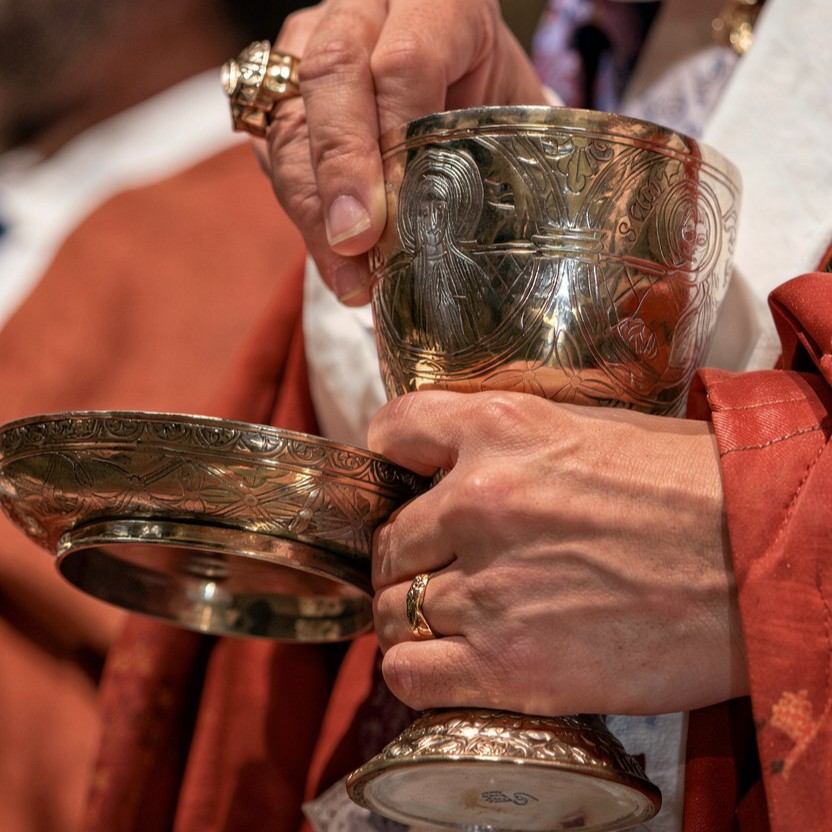
Photographs of Easter Masses, clergy, acolytes, vestments, incense, and the Eucharist reveal a richly embodied liturgical life. Within its new home, the Church of the Beloved Disciple did not simply create a welcoming religious space; it cultivated a recognizable sacramental world in which LGBTQ Christians could participate fully in Catholic worship. This sacramental life provided the foundation from which the congregation could begin to extend Catholic ritual into other dimensions of community and intimate life.

 
http://d2osek5pf4af91.cloudfront.net/archive_objects/LGBTQ-RAN/CBD_034.jpeg

Bishop Robert Mary Clement with Fr. Leo M. Joseph and Fr. John Darcy Noble processing to the altar during the 1976 Easter Pontifical Mass.

http://d2osek5pf4af91.cloudfront.net/archive_objects/LGBTQ-RAN/CBD_035.jpg

Robert Mary Clement celebrates the 1976 Easter Pontifical Mass with Fr. Leo M. Joseph and Fr. John Darcy Noble before a gathered congregation.

http://d2osek5pf4af91.cloudfront.net/archive_objects/LGBTQ-RAN/CBD_038.jpeg

Fr. Leo M. Joseph censing the sanctuary during worship.

http://d2osek5pf4af91.cloudfront.net/archive_objects/LGBTQ-RAN/CBD_040.jpeg

Fr. Leo M. Joseph and Fr. John Darcy Noble prepare to celebrate the Eucharist with two acolytes in the church’s sanctuary.

http://d2osek5pf4af91.cloudfront.net/archive_objects/LGBTQ-RAN/CBD_041.jpeg

Fr. John Darcy Noble, Bishop Robert Mary Clement, and Fr. Leo M. Joseph celebrate a special Eucharist for New York City’s 1975 Pride march.


Creating Sacred Space

The congregation’s sacramental life was expressed not only through the liturgy but also through the space itself. The church’s identity was therefore shaped not only by public activism, but also by prayer, beauty, and devotion. The objects featured here show a community drawing deeply upon familiar forms of Catholic devotion while making them part of its own spiritual world. Images of Mary and St. John the Beloved helped fill the church with sacred figures and symbols through which members could inhabit Catholic tradition as an LGBTQ community. Sacred space became a way of making belonging tangible—giving physical form to a Catholic identity that the congregation was simultaneously redefining and claiming as its own.

 
http://d2osek5pf4af91.cloudfront.net/archive_objects/LGBTQ-RAN/CBD_042.jpeg

Centered on an icon of the Virgin and Child painted by John Darcy Noble, the church’s Marian shrine provided a dedicated space for prayer and devotion.

http://d2osek5pf4af91.cloudfront.net/archive_objects/LGBTQ-RAN/CBD_043.jpeg

Painted by John Darcy Noble, this icon of the Virgin and Child formed the devotional center of the church’s Marian shrine.

http://d2osek5pf4af91.cloudfront.net/archive_objects/LGBTQ-RAN/CBD_044.jpeg

The Church of the Beloved Disciple’s statue of the Blessed Virgin Mary is adorned with embroidered garments, a lace veil, flowers, and a floral crown.

http://d2osek5pf4af91.cloudfront.net/archive_objects/LGBTQ-RAN/CBD_045.jpeg

The church’s Marian statue was dressed and adorned for devotional celebrations, reflecting the congregation’s richly embodied Catholic spirituality.

http://d2osek5pf4af91.cloudfront.net/archive_objects/LGBTQ-RAN/CBD_046.jpeg

The Church of the Beloved Disciple’s principal Marian statue depicts the Virgin Mary holding the Christ Child and adorned with a floral crown.

http://d2osek5pf4af91.cloudfront.net/archive_objects/LGBTQ-RAN/CBD_047.jpeg

This stained-glass window depicting St. John the Beloved was designed by Leo M. Joseph and John Darcy Noble and executed in England for the Church of the Beloved Disciple.

http://d2osek5pf4af91.cloudfront.net/archive_objects/LGBTQ-RAN/CBD_048.jpeg

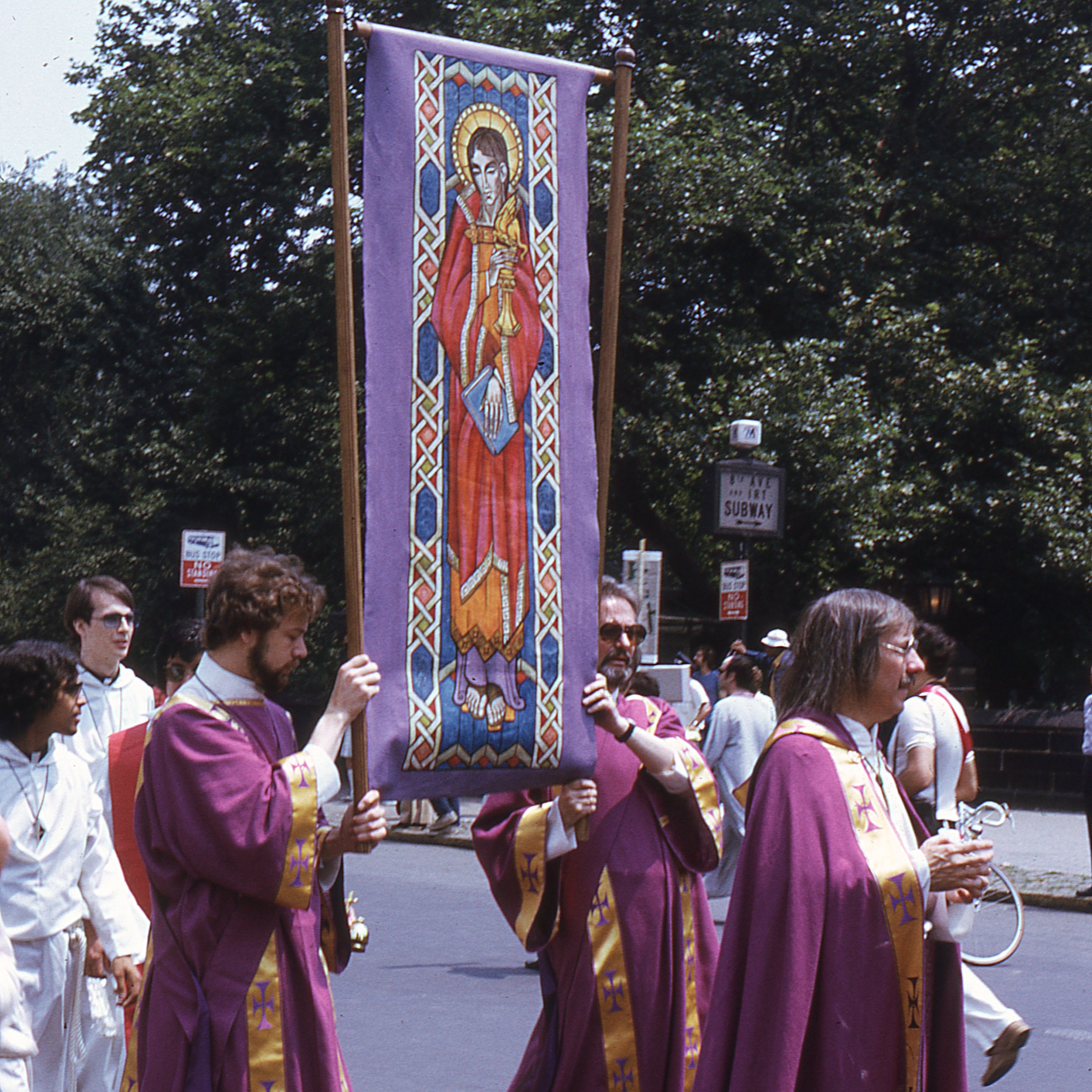
This processional banner depicting St. John the Beloved carried the patron saint’s image from the church into public liturgical processions.

http://d2osek5pf4af91.cloudfront.net/archive_objects/LGBTQ-RAN/CBD_049.jpeg

This devotional greeting card reproduces the Church of the Beloved Disciple’s image of St. John the Beloved.


Holy Unions: Sacramentalizing Relationships

The Church of the Beloved Disciple openly included the intimate lives of its members within the sacramental world. Its Holy Union ceremonies offered same-sex couples religious recognition at a time when civil marriage was unavailable to them. Newspaper and magazine coverage, photographs, and personal accounts document ceremonies in which couples exchanged vows, shared the kiss of peace, and openly celebrated love. A Holy Union was therefore more than just a public ceremony performed at the altar. It made queer relationships visible as sacred relationships and explicitly incorporated spiritual understandings of intimate life within the emerging movement for LGBTQ liberation. By placing same-sex relationships within a Catholic sacramental framework, the Church of the Beloved Disciple expanded understandings of the kinds of love that should be treated as sacred. It simultaneously staked a claim in a contested political landscape about the role of such unions in gay liberation.

 
http://d2osek5pf4af91.cloudfront.net/archive_objects/LGBTQ-RAN/CBD_001.jpeg

A 1971 Jet feature brought national attention to the Church of the Beloved Disciple’s pioneering Holy Union ceremonies.

http://d2osek5pf4af91.cloudfront.net/archive_objects/LGBTQ-RAN/CBD_002.jpeg

The New York Post reported on the Church of the Beloved Disciple’s Holy Union ceremonies and the controversy surrounding them.

http://d2osek5pf4af91.cloudfront.net/archive_objects/LGBTQ-RAN/CBD_003.jpg

The June 1971 issue of Catholic World featured Robert Mary Clement carrying the sign “Gay People, This Is Your Church” during New York’s first Christopher Street Liberation Day March in June 1970, bringing national attention to his emerging LGBTQ-affirming ministry.

Video Interview: Randy Wicker with Robert Mary Clement (1971)

Watch Randy Wicker’s 1971 interview with Robert M. Clement, in which Clement discusses the Church of the Beloved Disciple’s ministry and explains why Holy Union was understood as a spiritual and religious rite rather than a legal marriage.

External Resource: Gay Activists Alliance “Zap” at the NYC Marriage Bureau (1971)

Explore documentation of the Gay Activists Alliance’s June 1971 action at New York City’s Marriage Bureau, which responded to the controversy surrounding Clement’s Holy Union ceremonies and the city’s refusal to recognize same-sex relationships. Includes links to historic YouTube videos.

http://d2osek5pf4af91.cloudfront.net/archive_objects/LGBTQ-RAN/CBD_004.jpeg

Robert Mary Clement celebrates a Holy Union before a large congregation at the Church of the Beloved Disciple.

http://d2osek5pf4af91.cloudfront.net/archive_objects/LGBTQ-RAN/CBD_005.jpeg

Fr. John Darcy Noble officiates the Holy Union of John C. Fout and Israel at 348 West 14th Street, the Church of the Beloved Disciple’s Manhattan home.

http://d2osek5pf4af91.cloudfront.net/archive_objects/LGBTQ-RAN/CBD_006.jpeg

Following their Holy Union ceremony, John C. Fout and Israel exchange the kiss of peace as Fr. John Darcy Noble and assisting clergy look on.

http://d2osek5pf4af91.cloudfront.net/archive_objects/LGBTQ-RAN/CBD_007.jpeg

A newly united couple shares wine and cake at a celebration following their Holy Union.

http://d2osek5pf4af91.cloudfront.net/archive_objects/LGBTQ-RAN/CBD_008.jpeg

Troy Perry officiates the Holy Union of Robert Mary Clement and John Darcy Noble at the Performing Garage in Manhattan’s SoHo district.

http://d2osek5pf4af91.cloudfront.net/archive_objects/LGBTQ-RAN/CBD_009.jpeg

Troy Perry, Robert Mary Clement, and John Darcy Noble celebrate outside the Performing Garage following their Holy Union ceremony.


A Church in the Streets

The sacramental life of the Church of the Beloved Disciple did not remain within its walls. The congregation proudly carried that identity into the streets of Manhattan. These photographs trace the congregation as it became an increasingly recognizable presence in NYC public life. The church did not treat religious practice and political activism as separate spheres. Instead, its clergy, processions, devotional symbols, and Pride displays became ways of carrying sacramental identity into public space and making LGBTQ Christian presence visible within the broader struggle for liberation.

 
http://d2osek5pf4af91.cloudfront.net/archive_objects/LGBTQ-RAN/CBD_016.jpg

Fr. Robert Mary Clement with Leo M. Joseph and John Darcy Noble outside of the Stonewall Inn with the church's processional banner depicting St. John the Beloved.

http://d2osek5pf4af91.cloudfront.net/archive_objects/LGBTQ-RAN/CBD_017.jpg

Members of the Church of the Beloved Disciple process through Manhattan beneath the banner of St. John the Beloved, bringing their sacramental identity into the public life of gay liberation.

http://d2osek5pf4af91.cloudfront.net/archive_objects/LGBTQ-RAN/CBD_018.jpg

Members of the Church of the Beloved Disciple participate in a Pride march, incorporating spiritual community within the broader movement for LGBTQ liberation.

http://d2osek5pf4af91.cloudfront.net/archive_objects/LGBTQ-RAN/CBD_019.jpg

Following the 1974 Pride march, members of the Church of the Beloved Disciple gather in Sheep Meadow with the congregation's processional banners.

http://d2osek5pf4af91.cloudfront.net/archive_objects/LGBTQ-RAN/CBD_020.jpg

Members of the Church of the Beloved Disciple carry a banner honoring the Eucharistic Catholic Church during the 1974 Pride march, expressing the congregation's connection to George Augustine Hyde's earlier ministry.

http://d2osek5pf4af91.cloudfront.net/archive_objects/LGBTQ-RAN/CBD_021.jpg

Clergy and members of the Church of the Beloved Disciple process through Manhattan during Pride, making Catholic sacramental identity publicly visible within gay liberation.

http://d2osek5pf4af91.cloudfront.net/archive_objects/LGBTQ-RAN/CBD_022.jpg

The Church of the Beloved Disciple brings its Catholic liturgical imagery into the streets through an elaborate Pride float and processional display.

http://d2osek5pf4af91.cloudfront.net/archive_objects/LGBTQ-RAN/CBD_023.jpg

The Church of the Beloved Disciple's 1976 Pride float commemorated the thirtieth anniversary of George Augustine Hyde's Eucharistic Catholic Church and linked the two communities' sacramental histories.

http://d2osek5pf4af91.cloudfront.net/archive_objects/LGBTQ-RAN/CBD_024.jpg

The Church of the Beloved Disciple's Pride procession joined traditional Catholic ritual imagery with the congregation's public witness for LGBTQ liberation.

http://d2osek5pf4af91.cloudfront.net/archive_objects/LGBTQ-RAN/CBD_025.jpg

Quentin Crisp rides with Bishop John Darcy Noble and Bishop Robert Mary Clement in the Church of the Beloved Disciple's lead convertible during New York's 1982 Pride march.

http://d2osek5pf4af91.cloudfront.net/archive_objects/LGBTQ-RAN/CBD_026.jpeg http://d2osek5pf4af91.cloudfront.net/archive_objects/LGBTQ-RAN/CBD_027.jpeg

Members of the Church of the Beloved Disciple march beneath the congregation’s banners during New York City Pride marches in the early 1980s.


Procession as Public Sacramental Practice

The church’s presence in public space was not limited to Pride activism. Procession itself was a form of sacramental practice, transforming the streets of Manhattan into spaces where queer Catholic identity could be enacted and seen. Photographs of Corpus Christi, Palm Sunday, the Feast of the Assumption, and other celebrations show that the Church of the Beloved Disciple did not abandon traditional Catholic ritual in order to create an LGBTQ religious community; rather, it inhabited and extended that tradition. Like other embodied practices within the church, these processions reveal a spirituality experienced through bodies and collective movement.

 
http://d2osek5pf4af91.cloudfront.net/archive_objects/LGBTQ-RAN/CBD_074.jpeg http://d2osek5pf4af91.cloudfront.net/archive_objects/LGBTQ-RAN/CBD_075.jpeg

The Church of the Beloved Disciple celebrated Corpus Christi with annual processions, carrying the community's Eucharistic devotion beyond the church’s sanctuary and into the surrounding community.

http://d2osek5pf4af91.cloudfront.net/archive_objects/LGBTQ-RAN/CBD_076.jpeg

The congregation processes through the streets of New York on Palm Sunday, bringing the rhythms of sacred time into the city.

http://d2osek5pf4af91.cloudfront.net/archive_objects/LGBTQ-RAN/CBD_077.jpeg

The Feast of the Assumption was one of the most important annual celebrations for the Church of the Beloved Disciple. Here they are processing with their statue of the Virgin through the streets of Manhattan.


Sacramental Authority

The maturation of the Church of the Beloved Disciple also involved the formation of its own clergy and episcopal leadership. The ordination of John Darcy Noble and Leo M. Joseph to the priesthood as openly gay men signaled the church's intention to expand its ministry. The 1974 consecration of Robert Mary Clement further expanded the church’s capacity to sustain its sacramental ministry and strengthened its institutional life within the independent Catholic tradition. Clement's elevation to the episcopate gave the congregation not simply a priestly ministry but a developing institutional and sacramental authority of its own.

 
http://d2osek5pf4af91.cloudfront.net/archive_objects/LGBTQ-RAN/CBD_050.jpeg

Bishop Thomas J. Fehérváry ordains John Darcy Noble and Leo M. Joseph to the priesthood, expanding the clergy serving the Church of the Beloved Disciple.

http://d2osek5pf4af91.cloudfront.net/archive_objects/LGBTQ-RAN/CBD_051.jpeg

This 1974 church press release announces the ordination of John Darcy Noble and Leo M. Joseph, presenting their ordinations as a significant development in LGBTQ religious life.

http://d2osek5pf4af91.cloudfront.net/archive_objects/LGBTQ-RAN/CBD_052.pdf

These opening pages of the 1974 consecration program document Robert Mary Clement’s elevation as Bishop of New York of the Eucharistic Catholic Church.

http://d2osek5pf4af91.cloudfront.net/archive_objects/LGBTQ-RAN/CBD_053.jpg

Archbishop Richard Arthur Marchenna consecrates Robert Mary Clement as bishop at Metropolitan-Duane United Methodist Church in New York City on October 6, 1974.

http://d2osek5pf4af91.cloudfront.net/archive_objects/LGBTQ-RAN/CBD_054.jpg

A close-up of Archbishop Richard Arthur Marchenna, Clement’s principal consecrator.

Metropolitan-Duane United Methodist Church

Metropolitan-Duane United Methodist Church in Greenwich Village was the site of Robert Mary Clement’s episcopal consecration on October 6, 1974.

http://d2osek5pf4af91.cloudfront.net/archive_objects/LGBTQ-RAN/CBD_055.jpg

Following Clement’s consecration, bishops and clergy process through Manhattan toward the Church of the Beloved Disciple.

http://d2osek5pf4af91.cloudfront.net/archive_objects/LGBTQ-RAN/CBD_056.jpg

The consecration brought together bishops and clergy from several independent Catholic and Christian traditions.

http://d2osek5pf4af91.cloudfront.net/archive_objects/LGBTQ-RAN/CBD_057.jpg

Archbishop Richard Arthur Marchenna, Clement’s principal consecrator, walks through Greenwich Village with clergy following the 1974 consecration.

http://d2osek5pf4af91.cloudfront.net/archive_objects/LGBTQ-RAN/CBD_058.jpg

Members of the Church of the Beloved Disciple accompany their newly consecrated bishop in a procession from the consecration ceremony back to the church.

http://d2osek5pf4af91.cloudfront.net/archive_objects/LGBTQ-RAN/CBD_059.jpg

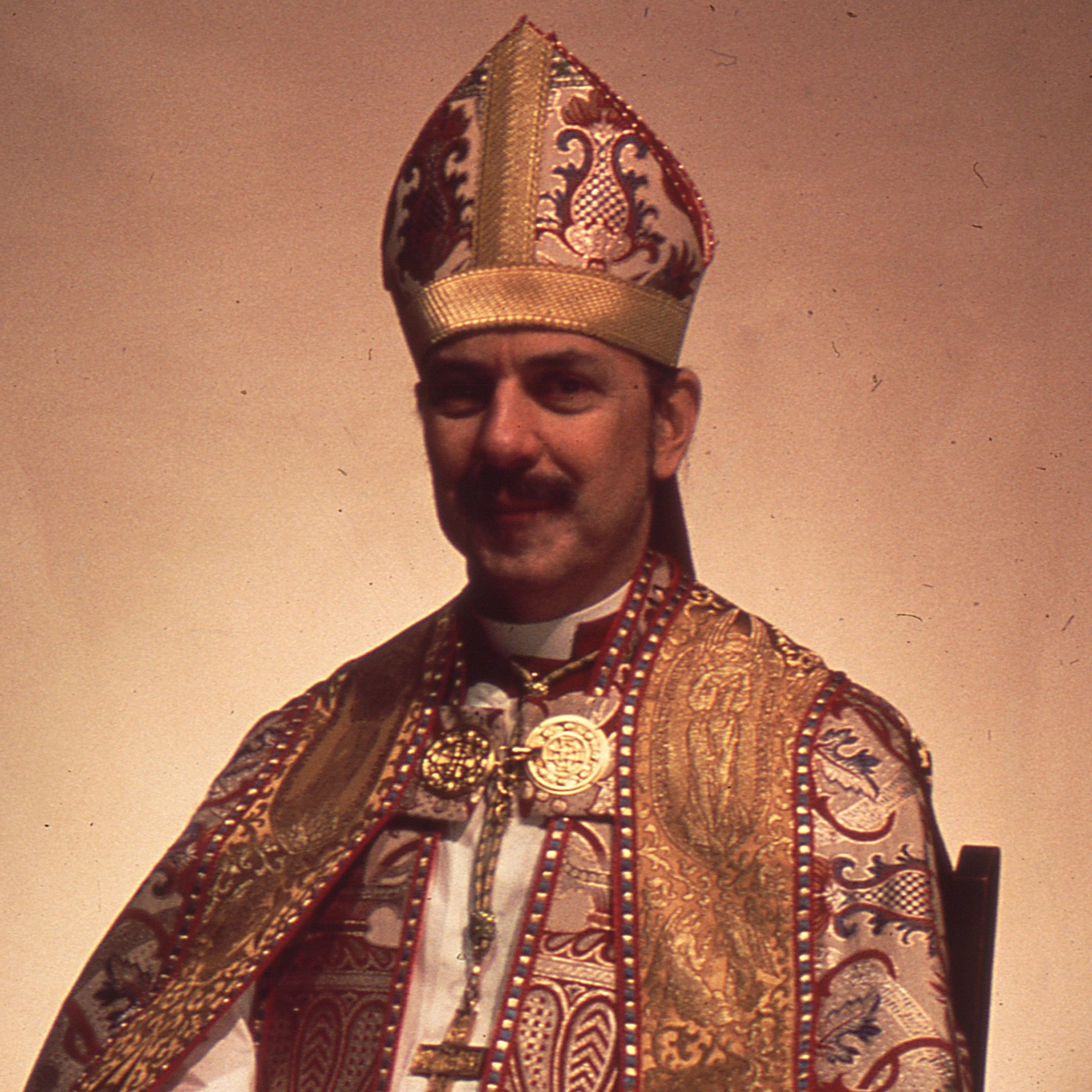
This official portrait of Robert Mary Clement was taken following his episcopal consecration in 1974.

http://d2osek5pf4af91.cloudfront.net/archive_objects/LGBTQ-RAN/CBD_062.jpeg

The June 1976 cover of FLASH: The International Guide to Gay Living featured Robert Mary Clement as “New York’s Gay Patriarch,” reflecting his growing visibility within LGBTQ religious and public life.


Formation and Continuity

Seminarians, acolytes, clergy, and ordinations reveal the Church of the Beloved Disciple’s efforts to cultivate people who could participate in its worship and carry its sacramental tradition forward. These images show that the church’s religious life depended not only upon its leaders but upon the active participation and formation of its members. The photographs of dancers associated with John Darcy Noble offer a glimpse of a broader understanding of embodied participation within the church. Bodies could move, celebrate, and express themselves in new ways without standing in opposition to traditional sacramental worship. 

 
http://d2osek5pf4af91.cloudfront.net/archive_objects/LGBTQ-RAN/CBD_066.pdf

This Church of the Beloved Disciple anniversary bulletin commemorates the first anniversary of Clement's consecration to the episcopacy and his continuing sacramental ministry.

http://d2osek5pf4af91.cloudfront.net/archive_objects/LGBTQ-RAN/CBD_067.jpeg

Archbishop George Augustine Hyde, founder of the Eucharistic Catholic Church, is seen here preaching at the Church of the Beloved Disciple. Hyde provided an important sacramental and institutional connection to the tradition from which the Church of the Beloved Disciple emerged.

LGBTQ-RAN Profile on George Augustine Hyde

This LGBTQ Religious Archives Network profile documents George Augustine Hyde’s independent Catholic ministry and his connection to the sacramental lineage of the Church of the Beloved Disciple.

http://d2osek5pf4af91.cloudfront.net/archive_objects/LGBTQ-RAN/CBD_069.jpeg

Seminarians associated with the Church of the Beloved Disciple represent the community’s efforts to cultivate new clergy.

http://d2osek5pf4af91.cloudfront.net/archive_objects/LGBTQ-RAN/CBD_070.jpeg http://d2osek5pf4af91.cloudfront.net/archive_objects/LGBTQ-RAN/CBD_071.jpeg

Acolytes participate in the liturgy of the Church of the Beloved Disciple, illustrating the active role of lay people in its sacramental life.

http://d2osek5pf4af91.cloudfront.net/archive_objects/LGBTQ-RAN/CBD_072.jpeg

The ordination of five priests demonstrates the continuing development of the Church of the Beloved Disciple’s clergy and sacramental ministry.

http://d2osek5pf4af91.cloudfront.net/archive_objects/LGBTQ-RAN/CBD_073.jpg

Contemporary coverage of the ordination of gay men to the priesthood highlights the Church of the Beloved Disciple’s challenge to conventional boundaries between sexuality, priesthood, and Christian ministry.

http://d2osek5pf4af91.cloudfront.net/archive_objects/LGBTQ-RAN/CBD_063.jpeg http://d2osek5pf4af91.cloudfront.net/archive_objects/LGBTQ-RAN/CBD_064.jpeg http://d2osek5pf4af91.cloudfront.net/archive_objects/LGBTQ-RAN/CBD_065.jpeg

Dancers associated with John Darcy Noble perform inside the Church of the Beloved Disciple, reflecting an expansive understanding of liturgy in which embodied movement could complement traditional sacramental worship.


A Portable Church

Buttons, lapel pins, newsletters, and brochures carried the church’s name, symbols, and message beyond the sanctuary, giving members and supporters tangible ways to recognize, represent, and share the community. They also provide a fitting conclusion to the story because they show how the church itself could travel. A sacramental community was present not only in its altar, clergy, processions, and ceremonies, but also in the things people could wear, read, carry, and share. These modest objects became a way of carrying the church into the world: its identity could move with its people, remaining visible wherever members gathered, worshiped, celebrated, and lived.

 
http://d2osek5pf4af91.cloudfront.net/archive_objects/LGBTQ-RAN/CBD_087.JPG

A button bearing the name of the Church of the Beloved Disciple provided a simple, portable expression of the congregation’s identity.

http://d2osek5pf4af91.cloudfront.net/archive_objects/LGBTQ-RAN/CBD_088.JPG

Another version of the button featuring the Church of the Beloved Disciple’s logo.

http://d2osek5pf4af91.cloudfront.net/archive_objects/LGBTQ-RAN/CBD_089.JPG

This Church of the Beloved Disciple lapel pin offered another small but visible expression of affiliation with the congregation.

http://d2osek5pf4af91.cloudfront.net/archive_objects/LGBTQ-RAN/CBD_090.pdf

The January 1979 issue of VIA, the Church of the Beloved Disciple’s publication, reflects the congregation’s ongoing communication with its community.

http://d2osek5pf4af91.cloudfront.net/archive_objects/LGBTQ-RAN/CBD_091.pdf

This eight-page Church of the Beloved Disciple brochure presents the congregation and its ministry to prospective members and the wider public.

http://d2osek5pf4af91.cloudfront.net/archive_objects/LGBTQ-RAN/CBD_092.pdf

This six-page brochure presents the Church of the Beloved Disciple as a spiritual community and invites readers to consider belonging to its distinctive form of Christian life.